

Exploring Authentic Forgiveness

The old adage says to “forgive and forget,” but is that really what forgiveness is?
This fall, we’ve been focusing on living authentically—and if we’re going to talk about being genuine as believers, we have to talk about forgiveness, what it is, and what it’s not.
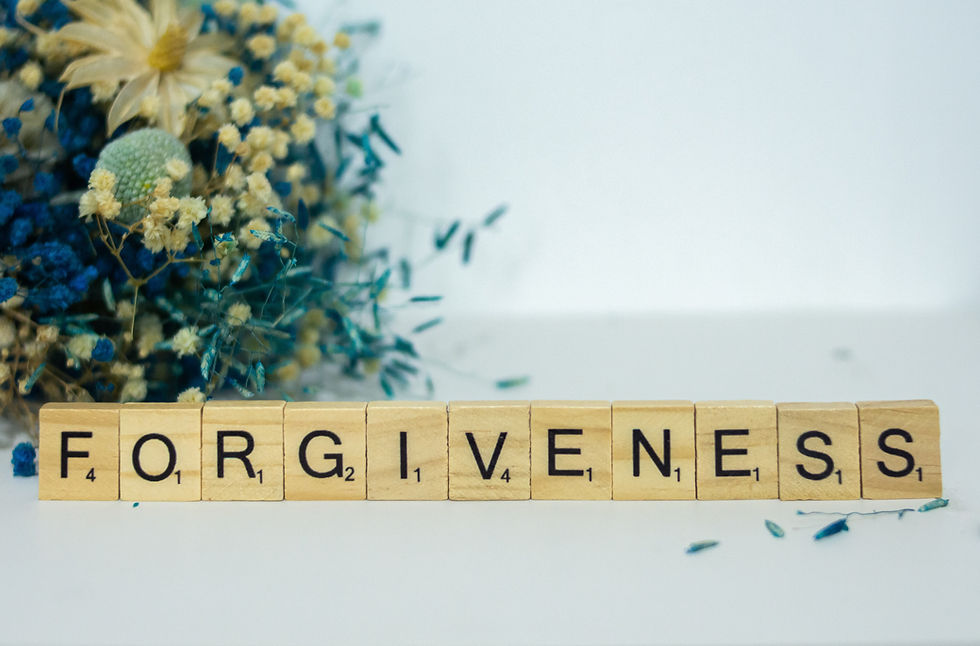
Forgiveness isn’t a one-time thing. It’s a decision you have to choose over and over again. There’s no one and done with forgiveness because if you’ve been deeply hurt, those memories will resurface and the enemy will seek to use them against you. Each time, you have to make the concerted effort to choose forgiveness again. Forgiveness is a decision you make, a pattern you choose for your life, not a one-time event.
Forgiveness isn’t saying what happened was OK. Some people reading this article may have been deeply emotionally wounded or physically hurt by terrible acts. Forgiveness does not mean you deny the hurt or excuse the actions. Choosing to forgive isn’t saying that what happened was OK; it’s choosing not to let it have power over you and your emotions anymore.
Forgiving doesn’t mean the wrongdoer faces no consequences or bears no responsibility. If you’ve broken someone’s trust or sinned against them in some way, you know that there are undoubtedly consequences to your actions. Part of moving forward when you’ve sinned against someone is accepting responsibility for your actions. Rebuilding trust in a relationship after it’s been broken requires time, effort and consistency. When you’re the person who has been wronged or if the issue is ongoing, it is often vitally important to set emotional as well as physical boundaries.
Forgiveness isn’t forgetting. It’s a nice old adage, but when it comes to authentic forgiveness, it’s just not true. Someone who has been abused likely will never forget that abuse. In fact, that abuse has probably shaped the trajectory of their lives in significant ways. Forgiving is choosing not to let the abuser’s actions have power over you anymore, working to let go of the anger, bitterness and hurt, but it also means you don’t go back for more.
Forgiveness and reconciliation aren’t the same thing. We tend to think that forgiving someone always leads to complete restoration of the relationship. You can forgive the person who wronged or hurt you, but returning to that relationship and acting like nothing ever happened, particularly if the wrongdoer is not repentant, could be dangerous and harmful. Reconciliation is focused on restoring what’s broken in the relationship, but with deeply broken trust or repeated offenses, this will likely be a long process. In addition, the person who broke the trust or damaged the relationship has to recognize and take responsibility for their actions. You can choose to forgive someone, but for the relationship to be reconciled, the other person has to take responsibility, seek forgiveness and work with you through the process of restoring trust and rebuilding the relationship, knowing that process will not be easy and likely take a long time.
What lessons have you learned about forgiveness? Share them in the comments as a way to help the community grow in this area.


Comments